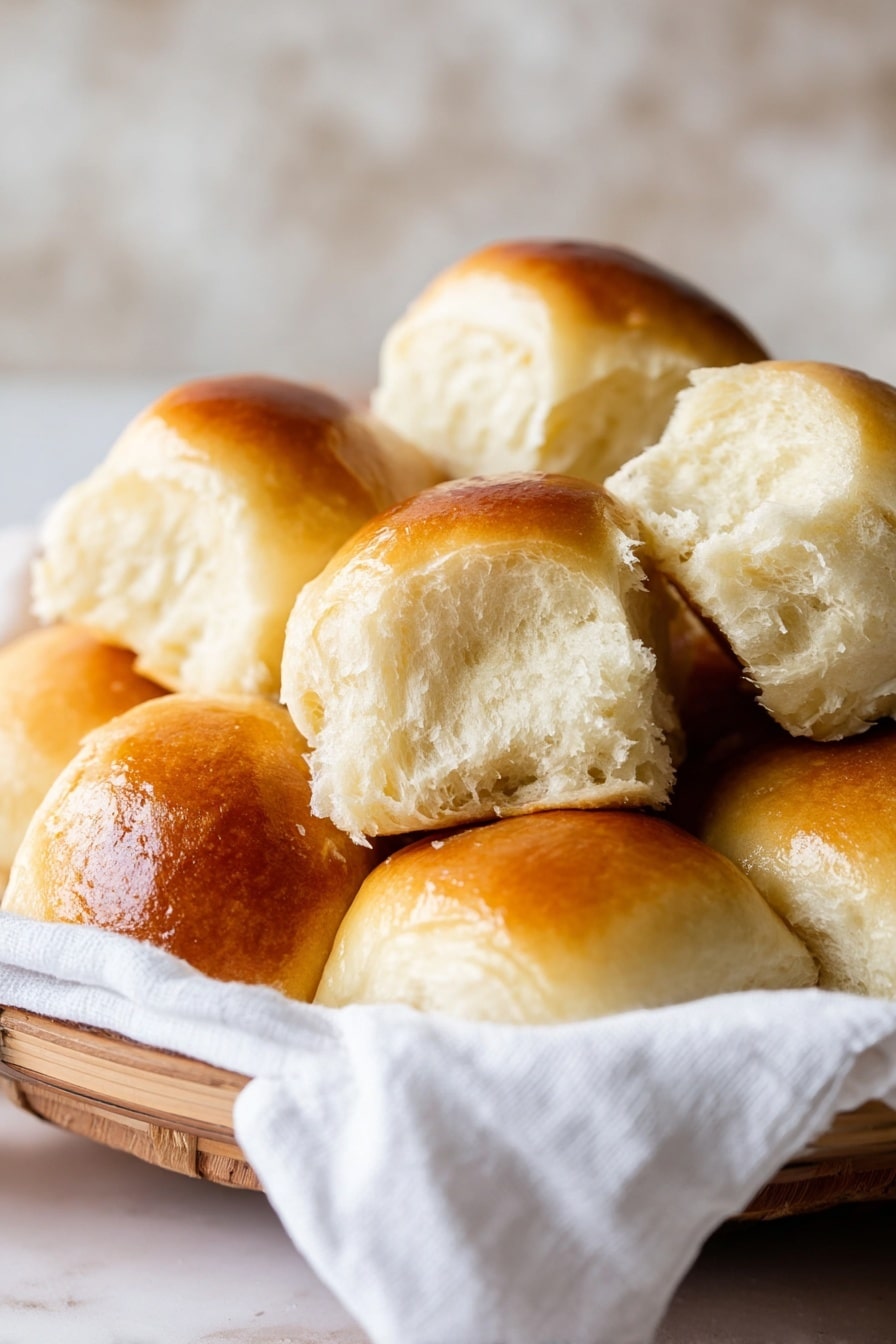
Effortless Elegance: Crafting Easy Soft Dinner Rolls (No Mixer, Egg-Free, Melt-in-Your-Mouth)
Imagine a warm, fluffy dinner roll, so impossibly soft it practically melts on your tongue, filling your kitchen with an intoxicating aroma. Now, imagine achieving this culinary masterpiece without pulling out a stand mixer, without fussing over eggs, and without complicated steps. Sound too good to be true? Not anymore! We're diving into the world of truly easy soft dinner rolls that are entirely egg-free, require only your hands and a bowl, and promise melt-in-your-mouth perfection every single time.
For many, the idea of baking bread from scratch can be intimidating, conjuring images of intricate kneading techniques and hours of waiting. But these dinner rolls are different. They are specifically designed for simplicity, making them an ideal starting point for bread-making beginners and a reliable staple for seasoned bakers alike. Say goodbye to tough, dry store-bought rolls and hello to homemade goodness that elevates any meal.
Why Homemade Rolls Are a Game-Changer for Any Meal
There's an undeniable magic that happens when you serve fresh, warm bread you've made yourself. It transforms a simple dinner into a special occasion and brings an unparalleled comfort to the table. These fluffy, buttery dinner rolls are more than just a side dish; they're a centerpiece in their own right, offering a superior experience to anything you'll find pre-packaged.
Unbeatable Flavor and Texture: While store-bought rolls offer convenience, they rarely compare to the rich, tender crumb and delicate crust of homemade versions. Our recipe achieves a perfect balance of salt and subtle sweetness, resulting in a depth of flavor that's simply addictive. The egg-free nature often contributes to a lighter, more delicate texture, making them incredibly digestible and appealing to those with dietary restrictions or preferences.
Versatility Beyond Expectation: These easy soft dinner rolls are incredibly versatile. They are the ultimate companion for:
- Hearty Soups and Stews: Perfect for soaking up every last drop of a rich pumpkin soup, a savory beef and Guinness stew, or a creamy mushroom soup. Their soft texture makes them ideal for mopping up sauces.
- Homemade Sliders: Their ideal size and tender crumb make them a fantastic base for mini burgers or pulled pork sliders.
- Holiday Feasts: A welcome alternative to traditional cornbread for Thanksgiving or Christmas dinners, adding a touch of elegance and comfort.
- Everyday Meals: Served simply with butter, they can elevate a weeknight chicken dinner or even become the star of a brunch spread.
The dedication behind developing this particular recipe involved countless hours of experimentation, researching different yeasts, flour types, and the crucial "eggs or no eggs" dilemma. The result is a perfected method that ensures success, taking the guesswork out of your hands and delivering consistently perfect rolls.
Mastering the Melt-in-Your-Mouth Secret: Key Ingredients & Their Role
The secret to these incredibly easy soft dinner rolls lies in a handful of simple, high-quality ingredients and understanding how they work together to create that coveted melt-in-your-mouth texture. Each component plays a vital role:
Rapid-Rise Yeast (Quick Yeast)
This is your fast track to fluffy rolls! Rapid-rise yeast is specifically formulated to activate and rise faster than active dry yeast, meaning shorter proofing times and quicker results. It's crucial for achieving that desirable light and airy texture without a prolonged wait. When blooming, the yeast feeds on sugar and warm water, producing carbon dioxide that creates pockets of air, making your dough rise. A frothy mixture indicates happy, active yeast.
Granulated Sugar
Beyond providing a hint of sweetness, sugar is essential food for the yeast, helping it to activate and thrive. It also contributes to the beautiful golden-brown crust and a softer crumb by retaining moisture.
Unsalted Butter
Butter is the cornerstone of tenderness and richness in these rolls. It contributes to a moist, pillowy texture and a luxurious flavor profile. Using unsalted butter allows you to control the exact amount of salt in the recipe, ensuring perfect seasoning.
Bread Flour
While all-purpose flour can work in a pinch, bread flour is highly recommended for its higher protein content. This extra protein develops more gluten, which gives the rolls their characteristic chewiness, structure, and ability to hold air, resulting in a loftier, softer final product. It's what makes the rolls maintain their shape and spring back when gently pressed.
Whole Milk
Whole milk is preferred over water or lower-fat milk for its richness. The fat and sugars in whole milk contribute significantly to the rolls' tender crumb, moistness, and delectable flavor. It also helps to feed the yeast and results in a more golden crust.
Salt
Often overlooked, salt is crucial for balancing the sweetness, enhancing the overall flavor of the rolls, and regulating yeast activity. Don't skip it!
Step-by-Step: Crafting Your Easy Soft Dinner Rolls (No Mixer Needed!)
Even without a mixer, these easy soft dinner rolls come together beautifully with minimal effort. Here’s a detailed guide to creating your melt-in-your-mouth masterpieces:
- Prepare Your Proofing Environment: Begin by preheating your oven to a very low 200°F (95°C). This isn't for baking yet, but to create a warm, draft-free environment ideal for your dough to rise. Once it reaches temperature, turn the oven off. This gentle warmth is key to a successful proof.
- Bloom the Yeast: In a large mixing bowl, combine the rapid-rise yeast with a tablespoon of sugar and warm water (around 105-115°F or 40-46°C). The warmth activates the yeast, while the sugar gives it fuel. Let this mixture sit for 7-10 minutes. You'll know it's ready when the surface becomes visibly frothy, indicating the yeast is active and alive.
- Create the Enriching Mixture: While your yeast is blooming, warm your whole milk and butter in a large jug or microwave-safe bowl until the butter is almost melted. Stir in the remaining sugar and the salt until dissolved. Ensure the mixture isn't too hot (no more than 120°F or 49°C) before combining with the yeast, as excessive heat can kill it. Pour this warm, milky mixture into your bloomed yeast.
- Form the Dough: Gradually add the bread flour to the wet ingredients, stirring gently with a sturdy spoon or spatula. Continue to mix until you have a sticky dough that starts to pull away from the sides of the bowl. This is the beauty of a no-mixer recipe – embrace the stickiness!
- Hand Knead for Perfection: Transfer the sticky dough to a lightly floured surface. Resist the urge to add too much flour; a little stickiness is good. Knead the dough by hand for about 4-5 minutes. The goal is to develop the gluten, making the dough smooth and elastic. If it's too sticky to handle, add flour one tablespoon at a time. Your dough should feel soft and supple after kneading.
- First Rise (Proofing): Return the kneaded dough to your bowl, cover it with a damp kitchen towel to prevent it from drying out, and place it inside your *turned-off* warm oven. Leave the oven door slightly ajar for the first 10-15 minutes, then close it. Let the dough proof for another 45 minutes, or until it has visibly doubled in size. This warm, consistent environment encourages a beautiful rise.
- Shape Your Rolls: Gently remove the dough from the oven and transfer it back to a lightly floured surface. Knead it for a few more seconds to gently "punch down" the air. Divide the dough into two equal loaves, then cut each loaf into smaller, even pieces – typically 8-10 pieces per loaf, depending on your desired roll size. Shape each piece into a smooth, round ball.
- Second Rise & Bake: Arrange your shaped rolls in a baking dish, leaving a little space between them. Cover again with a damp towel and let them rest for another 15-20 minutes while you preheat your oven to the baking temperature (usually around 375-400°F or 190-200°C). Bake for 15-20 minutes, or until golden brown on top. For that ultimate soft and buttery experience, delve into Fluffy, Buttery Dinner Rolls: Better Than Store-Bought, Every Time.
Tips for Perfection and Serving Suggestions
Achieving truly perfect easy soft dinner rolls is simple with a few extra tips:
- Don't Over-Flour: When kneading, it's tempting to add a lot of flour if the dough is sticky. Resist! Too much flour makes the rolls tough. Add just enough to prevent excessive sticking.
- Temperature Matters: Ensure your water for blooming yeast is warm, not hot (which kills yeast) or cold (which slows it down). Similarly, ensure your milk mixture isn't scalding.
- Gentle Handling: After the first rise, handle the dough gently to retain as much of the air as possible.
- Brush with Butter: For an extra layer of flavor and a beautiful sheen, brush the warm rolls with melted butter immediately after they come out of the oven.
- Storage: Store leftover rolls in an airtight container at room temperature for 2-3 days, or freeze for longer storage. Reheat gently in the oven or microwave for that fresh-baked feel.
These magnificent rolls pair wonderfully with a pat of butter, a drizzle of honey, or even a savory herb spread. They're also fantastic split and filled with leftover roast beef, turkey, or even as a base for gourmet breakfast sandwiches.
Conclusion
Embarking on the journey of homemade bread doesn't have to be daunting. These easy soft dinner rolls are a testament to how simple ingredients, a no-mixer approach, and an egg-free recipe can culminate in an extraordinary culinary experience. From their fluffy texture to their melt-in-your-mouth tenderness, they are guaranteed to impress and delight. So, roll up your sleeves, gather your ingredients, and prepare to fill your home with the irresistible aroma of freshly baked bread. You'll wonder why you ever bought rolls from a store!
